Getting Started on the Greenway
What you'll need to know before your first ride — from bike basics to pacing yourself on a long route.
Not all bikes are created equal. Here's how to pick one that's comfortable, reliable, and suited to smooth paved paths.
Editorial Team
Written by the Greenway Editorial Team, focused on honest, practical information for cyclists of all abilities.
Here's the thing — cycling should feel good, not punishing. When you're heading out for a leisurely ride on the Greenway, the last thing you want is an uncomfortable bike that leaves you sore or frustrated. The right bike makes all the difference. It's the foundation of every pleasant ride, and it's worth getting right from the start.
We're not talking about expensive racing machines or technical mountain bikes. For Greenway cycling, you need something different. You need reliable, comfortable, and practical. We've put together this guide to help you understand what matters and what doesn't, so you can pick a bike that'll actually work for you.
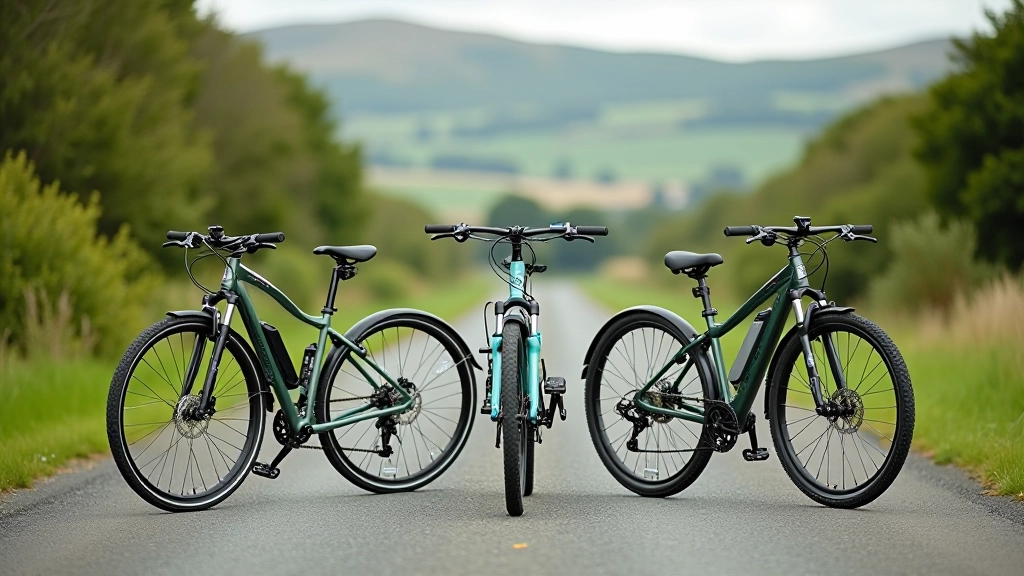
Not every bike is suitable for a 42-kilometer paved path. You'll see different styles, and each one has its strengths and weaknesses for this kind of riding.
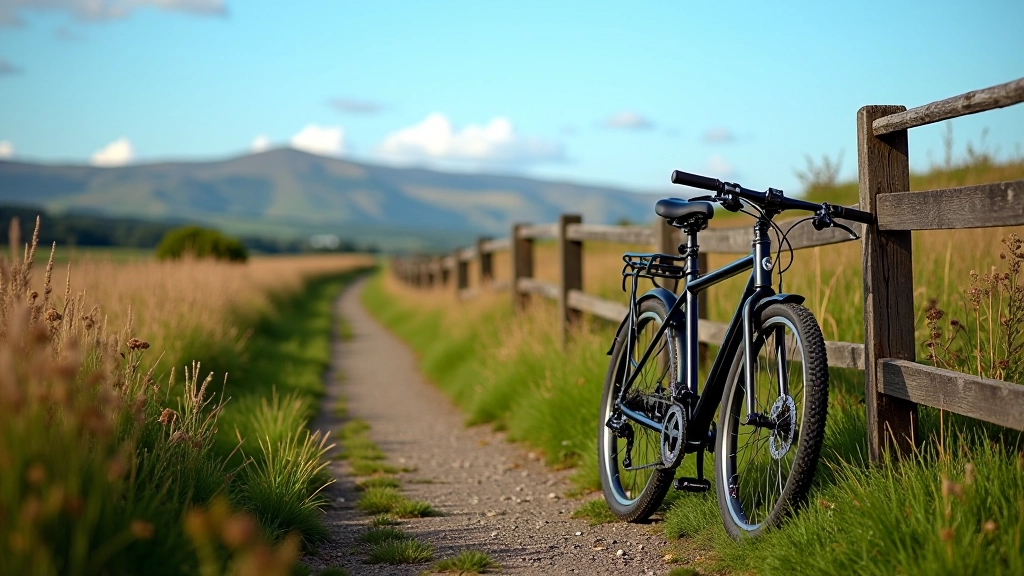
These are the practical choice for most Greenway riders. They combine the upright riding position of a mountain bike with smoother tires designed for pavement. You'll sit comfortably, you can see the road ahead easily, and your hands won't go numb from gripping drop bars. Most hybrids have suspension forks that absorb bumps without being too bouncy.
These are fast but not necessarily comfortable. Drop bars force you into a racing position, thin tires can feel harsh on any imperfections in the path, and you'll bend over constantly. They're brilliant for speed, not ideal for relaxed cycling where you want to enjoy the scenery. Unless you're already familiar with this style, there are better options.
An e-bike takes away the worry about distance and hills. The motor assists your pedaling, so you can ride farther without exhaustion. They're heavier than regular bikes, more expensive, but brilliant if you're concerned about stamina. The Greenway's gentle gradients mean you won't need a powerful motor — even modest assistance makes a real difference.
These emphasize comfort above everything. Upright position, wider seats, gentle geometry. They're slower than hybrids, but if comfort is your main priority and you don't mind a leisurely pace, they work well. The trade-off is that you'll feel every bit of your weight on the seat on longer rides.
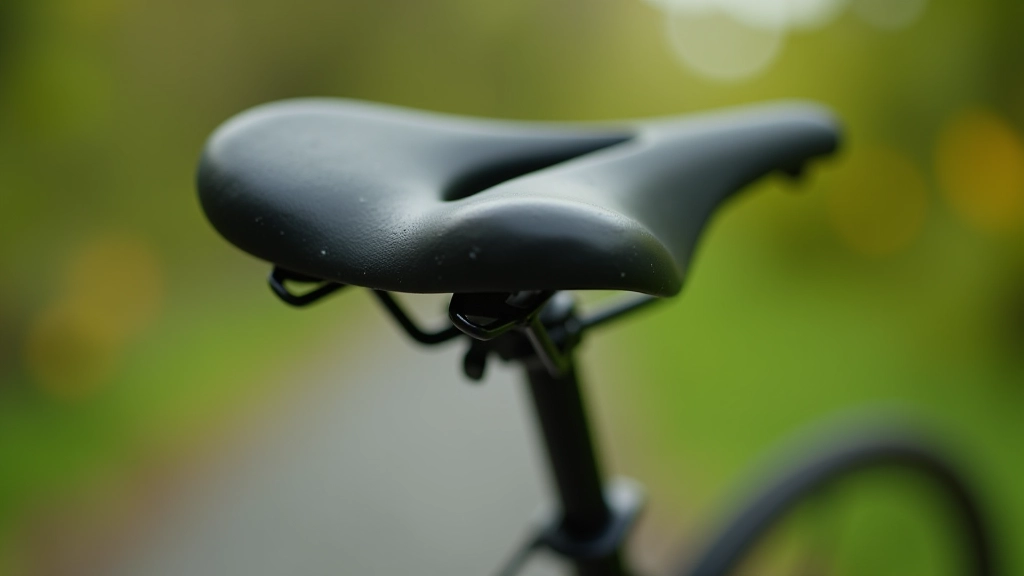
You'll be sitting on that bike for 3 to 4 hours when you ride the full Greenway. That's why comfort features aren't luxuries — they're essentials.
This is where most people get it wrong. A harder seat doesn't mean a better seat. You need something with proper padding and shape that supports your sit bones — the bony points under your backside that do most of the work. Wide, padded seats are your friend for leisure cycling. Many decent bikes come with mediocre seats, so don't be afraid to swap it out later if needed. A good seat costs 30-50 euros and makes an enormous difference.
Upright handlebars let you sit upright, reducing strain on your back and shoulders. You'll also have a better view of the path. Avoid drop bars unless you're specifically training for speed. Your neck and shoulders will thank you after 40 kilometers.
A front suspension fork (the springy part at the front) absorbs bumps and rough spots. The Greenway is well-maintained, but there are still imperfections. You don't need expensive full suspension — a basic front suspension makes riding smoother and less tiring on your arms.
This is crucial. A frame that's too large or too small affects everything — your reach to the handlebars, knee angle when pedaling, and overall control. When standing over the frame, you should have 2-3 centimeters of clearance between your crotch and the top tube. Your leg should be almost straight when the pedal's at its lowest point. Don't guess — measure properly or get advice in a shop.
When you're looking at bikes online or in shops, you'll see technical specs. Most don't matter for Greenway riding. Here's what actually does.
For paved paths, you want tires between 32-45 millimeters wide. They're wide enough to roll smoothly and handle occasional rough patches, but not so wide they create extra resistance. Anything narrower (road bike tires at 23-25mm) feels harsh. Anything wider (mountain bike tires at 50mm+) gets tiring to pedal.
You don't need 21 gears. The Greenway's terrain is gentle. 8-10 gears give you enough range for slight inclines and headwinds without complicating maintenance. More gears mean more things that can go wrong and more to maintain.
Disc brakes (hydraulic or mechanical) are more reliable in wet weather than rim brakes. Since you're in Ireland, weather matters. They require a bit more maintenance but they're worth it. Look for mechanical disc brakes at minimum — hydraulic is a luxury upgrade.
Don't obsess over this. A 15-kilogram bike versus a 12-kilogram bike makes almost no difference on flat terrain. Lighter bikes cost significantly more. Spend that money on comfort features instead.
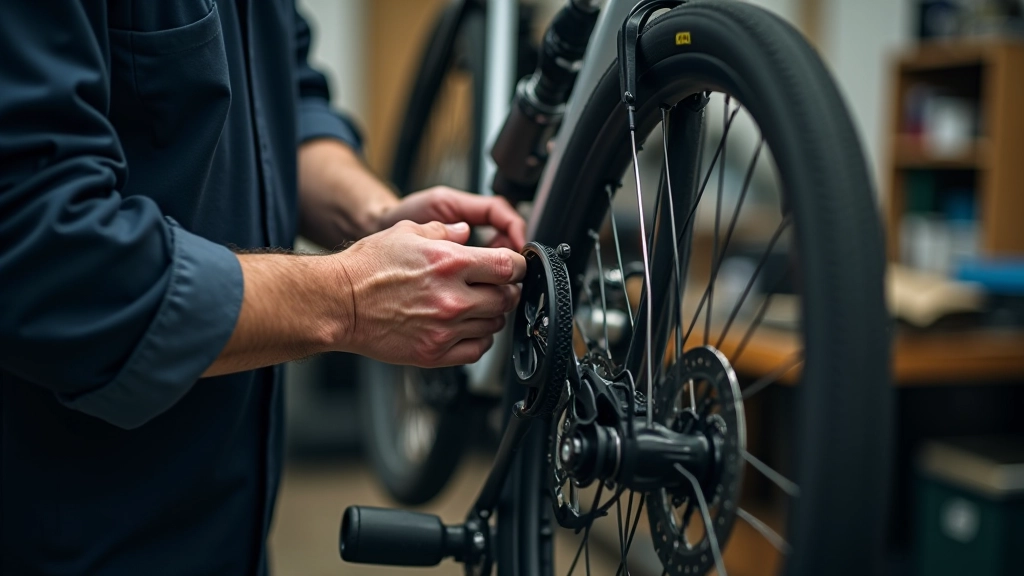
You don't need to spend a fortune. Here's how to think about budget for Greenway cycling.
You'll find solid hybrid bikes at this level. Basic components, but they work. The important thing is frame fit and comfort features. Don't compromise on seat quality — upgrade it immediately if needed. This is realistic for a reliable starter bike.
Better components, smoother gears, more reliable brakes. The comfort difference is real. If you're planning to ride regularly (more than once a month), this investment pays for itself in reliability and enjoyment. You'll also have fewer maintenance headaches.
Premium comfort features, lighter weight, better build quality. If you've got the budget and you're serious about cycling, it's worth it. E-bikes also start around this price and offer real advantages if fitness is a concern.
Spending more doesn't automatically mean better for your needs. A 600-euro hybrid will get you down the Greenway just as effectively as a 1200-euro one. Focus on fit and comfort, not brand names or weight specs.
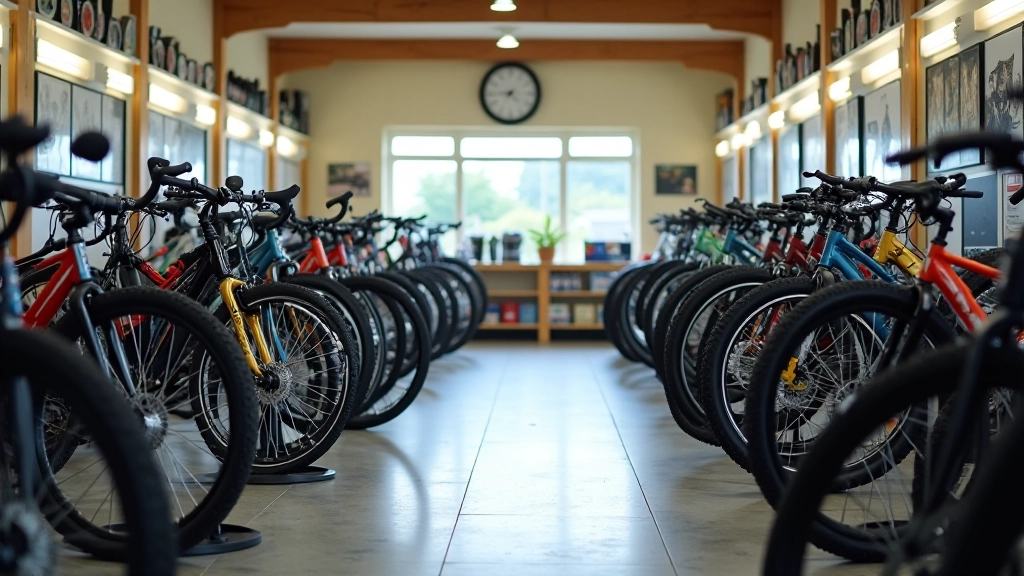
Don't buy online unless you know exactly what you're getting. Go to a shop and sit on bikes. Ride them if possible. You'll immediately feel the difference between comfort and discomfort.
Ask the shop staff to help with frame sizing. They should measure your inseam and calculate the right frame size. This single step prevents most discomfort issues.
A good shop includes free adjustments in the first few weeks. Seat height, handlebar position, brake and gear tweaks — these should be included. Don't pay extra for basic tuning.
Find a local shop you like. They'll help with repairs, maintenance, and advice down the road. Local shops often have better knowledge than big chains about regional conditions.
Look at welds, paint finish, and component alignment. Poor welding or rough paint suggests rushed manufacturing. Check that gears shift smoothly and brakes engage evenly.
Most decent bikes come with a 2-year warranty on the frame and a year on components. Make sure you get this in writing and understand what's covered.
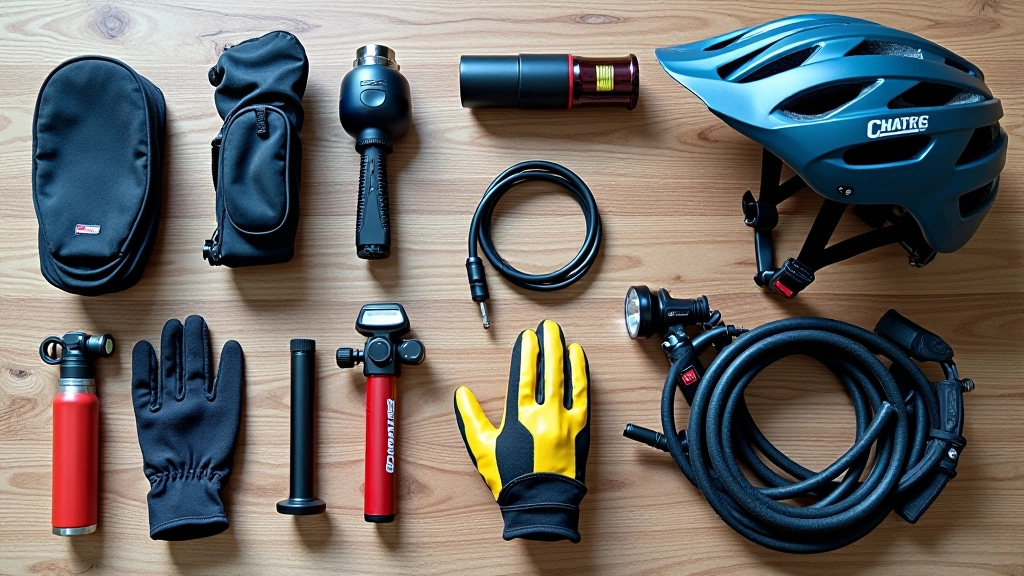
The bike itself is just the beginning. A few accessories make riding safer, more comfortable, and more practical.
A bright front light and red rear light are essential. They're legally required in Ireland, and they actually matter for visibility in cloudy weather and winter mornings. LED lights last longer and use less battery than old bulbs.
A sturdy U-lock or cable lock costs 20-40 euros. It's not optional. Even on quiet Greenway routes, bikes get stolen. Don't cheap out on this.
These keep road spray off your clothes and bike. Doesn't sound important until you've ridden through puddles. They also protect your components from salt and grit.
Carry a portable pump and spare tube every time you ride. Flat tires happen. You don't want to be stuck 20 kilometers from home. This costs about 15 euros combined and saves enormous frustration.
It's not legally required in Ireland, but it's wise. A decent helmet costs 40-80 euros. Make sure it fits properly — it should sit level on your head, not tilted back. A poor-fitting helmet is nearly useless.
You'll want to carry water, a snack, keys, and a phone. Panniers (side bags) or a rear rack basket keep your hands free and weight balanced. Backpacks shift your weight and get hot in summer.
Choosing the right bike doesn't require becoming a technical expert. It requires thinking about what you'll actually do — ride smoothly on a paved path, enjoy the scenery, and come back without aches and pains. Comfort matters more than specifications. Fit matters more than brand. And honest advice matters more than sales pressure.
Start by visiting a local bike shop. Spend time sitting on different bikes. Ask questions. Get properly sized. Then take your bike out for a test ride before committing. The right bike will feel natural almost immediately — you won't be thinking about the bike, you'll be thinking about the view.
Once you've got your bike sorted, you're ready to explore the Greenway properly. Whether it's your first ride or you're planning to make it a regular thing, the right bike makes everything better. You'll ride farther, feel better, and actually want to go back.
Please note: This guide provides practical information about selecting a bicycle for leisure cycling. Choose activities that match your fitness level, check local conditions before travelling, and speak with your GP if you have health concerns before starting a new activity. Bike specifications and recommendations in this article are general guidance; individual needs vary. Always wear appropriate safety gear and follow local traffic rules.
What you'll need to know before your first ride — from bike basics to pacing yourself on a long route.
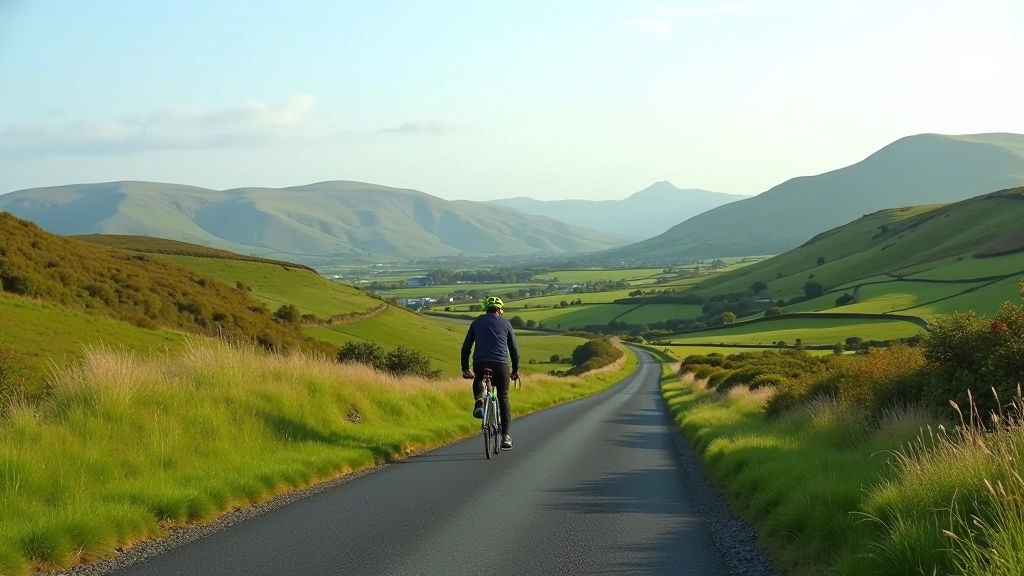
Best places to rest, refuel, and enjoy the views along the 42-kilometer journey.
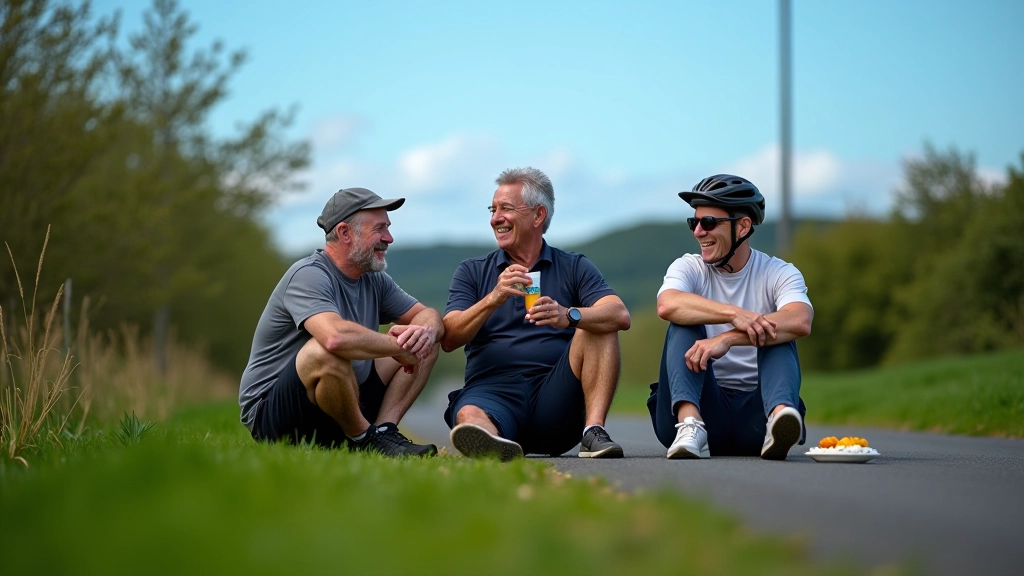
Why cycling with friends matters, how to organize group rides, and tips for enjoying the social side.